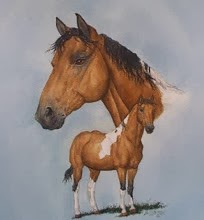
This is a listing of confirmed shows that I will be exhibiting my artwork at this year and into next year. I will update the list as more shows are added.
Kawartha Arts Network - Art on Kent, Lindsay, Ont.
KAN
09 Jun - 02 Jul 16 Annual All Members' Show
Opening Reception 11 Jun 16 from 1-3pm.
07-30 Jul 16 Transportation
Opening Reception 09 Jul 16 from 1-3pm.
01-24 Sep 16 Mixed Masters
Opening Reception 03 Sep 16 from 1-3pm.
29 Sep - 22 Oct 16 Then and Now Part 2
Opening Reception 01 Oct 16 from 1-3pm.
27 Oct - 19 Nov 16 Feast for the Eyes
Opening Reception 29 Oct 16 from 1-3pm.
24 Nov - 17 Dec 16 and 05-14 Jan 17 Affordableism
Opening Reception 26 Nov 16 from 1-3pm.
Kawartha Artists’ Gallery, Peterborough, Ont.
KAGS
15 Jun - 10 Jul 16 Figuratively Speaking
Opening Reception 19 Jun 16 from 1-4pm.
24 Aug - 11 Sep 16 Black and White Plus 1 Colour
Opening Reception 28 Aug 16 from 1-4pm.
28 Sep -23 Oct 16 Nature's Palette
Opening Reception 02 Oct 16 from 1-4pm.
26 Oct - 13 Nov 16 Outdoor Painters' Show
Opening Reception 30 Oct 16 from 1-4pm.
30 Nov -18 Dec 16 and 04-15 Jan 17 Warm in the Cold
Opening Reception 04 Dec 16 from 1-4pm.
Knoepfli Inn, 5484 Highway #124 Magnetawan, Ont.
22 Jun - 06 Oct 16 Scenes of Magnetawan
Art in the Garden, Peterborough, Ont.
Griffins
16 Jul 16 Griffin's Greenhouse, 3026 Lakefield Rd. 11am - 4pm.
Lockside Trading Company, 2805 River Ave, Youngs Point, Ont.
23-24 Jul 16 5th Annual Art @ the Locks from 9am-6pm.
St Matthews Church, Buckhorn, Ont.
BuckhornArtistsGroup
11-14 Aug 26th Annual Shades of Summer Art Show
MacKelvie Gallery, Keene, Ont.
PioneerVillage
01 Sep - 06 Oct Lang Pioneer Village Museum, Keene, Ont.
Fenelon Falls Fair Grounds, Fenelon Falls, Ont.
KawarthaArtsFestival
03-04 Sep 16
St. John the Baptist Anglican Church, 81 Queen St., Lakefield, Ont.
150th Anniversary Art Show and Sale
10 Sep - 29 Oct. on Saturdays from 11am-2pm.
Opening Reception 10 Sep 16 from 11am-3pm.
Canadian Canoe Museum, 910 Monaghan Road, Peterborough, Ont.
17-18 Sep The Uncommon Marketplace
Millennium Park, Peterborough, Ont.
6th Annual Purple Onion Festival
25 Sep 16 from 11am-4:00pm.
Dancing Blueberries, 360 George St. N., Peterborough, Ont.
28 Sep - 03 Nov 16
Cavan Arts
1st Annual Outdoor Painting Festival Cavan/Millbrook
02 October 2016
Extendicare, 860 Alexander Court, Peterborough, Ont.
07 Nov 16 - 02 Jan 17
I look forward to seeing you at some of these shows.
Friday, July 1, 2016

Thursday, June 30, 2016
All Members' Show at Art on Kent
There was a lovely display of artwork by the members of the Kawartha Arts Network held Art on Kent for the month of June.

There is something for everyone on display from sculptures, photography and paintings in every media and a wide variety of subject matter.

If you have are in the area, please come out and enjoy the artwork before the exhibition closes on 02 July 2016.
There is something for everyone on display from sculptures, photography and paintings in every media and a wide variety of subject matter.
If you have are in the area, please come out and enjoy the artwork before the exhibition closes on 02 July 2016.
Wednesday, June 29, 2016
OSWOA - Summer Evening 1
Today it is 79F (26.1C) with the humidity making it feel like 83F (28.3C) which is a nice summer day with a mild breeze.
I thought I would like to work on this painting that I had worked on a few months ago (see posts on 23 July 2013 and 11 February 2016) and try to complete it today.
I started by putting in the remaining tree trunks with a greyed brown of French ultramarine blue and burnt sienna and the branches on the low laying bushes at the base of the trees.
 With Antwerp blue and new gamboge I put in the sunlit needles on all the trees with the exception of the one dead tree trunk.
For the mid tone needles I used French ultramarine blue and new gamboge as well as into some of the leaves on the bushes.
The shadowed needles were a mix of French ultramarine blue and raw sienna with a touch of burnt sienna.
The growies were painted with various combinations of cadmium yellow, cobalt blue and lemon yellow.
If you would like more information about OSWOA please go to my post on 12 March 2010.
The OSWOA shown here is an original watercolour painting using Artist quality Winsor & Newton paint on 140lb. Arches 100% rag, acid free watercolour paper. It is priced at $40.00 and sold unframed.
Tuesday, June 28, 2016
ACEO - Morning Fog 1 and 2
I wanted to complete these two little paintings that I had started a while ago (see posts on 12 September 2013 and 12 February 2016).
 Working back and forth on the two paintings I started with a pale mixture of French ultramarine blue and burnt sienna and painted in the furthest back trees.
I added a small amount of burnt sienna to the pale mix and painted in the next closer trees.
Adding a little more blue I painted in the next layer of trees.
Morning Fog 2
Using a pale mix of raw sienna and the tree mix I painted in the the areas of water in the foreground on the first painting and on the grasses in the foreground and at the base of the closer trees in the second one.
Lastly I painted in the sun with aureolin.

Morning Fog 1
If you would like more information about ACEO please go to my post on 11 March 2010.
The ACEO shown here are all original watercolour paintings using Artist quality Winsor & Newton paint on 140lb. Arches 100% rag, acid free watercolour paper. They are priced at $20.00 each and sold unframed.
Working back and forth on the two paintings I started with a pale mixture of French ultramarine blue and burnt sienna and painted in the furthest back trees.I added a small amount of burnt sienna to the pale mix and painted in the next closer trees.
Adding a little more blue I painted in the next layer of trees.
Morning Fog 2
Using a pale mix of raw sienna and the tree mix I painted in the the areas of water in the foreground on the first painting and on the grasses in the foreground and at the base of the closer trees in the second one.
Lastly I painted in the sun with aureolin.
Morning Fog 1
If you would like more information about ACEO please go to my post on 11 March 2010.
The ACEO shown here are all original watercolour paintings using Artist quality Winsor & Newton paint on 140lb. Arches 100% rag, acid free watercolour paper. They are priced at $20.00 each and sold unframed.
Monday, June 27, 2016
Coon Lake VIII
It is another hot 90F (32C) and humid 100F (38C) summer day and I thought I would work on a lake scene.
I pulled out this sketch that I did a couple of years ago (see posts on 29 July 2014 and 22 March 2016) while canoeing on Coon Lake.
I started by putting the shading on the rocks first and then added the water ripples below them.

Next I added in the pine trees in among the rocks and lastly added some grasses and growies.
This original 6" x 9” pen and ink drawing when matted and shrink wrapped will be available for $50.00.
Thank you for taking the time to visit my blog and enjoy the artwork. I hope you will return often.
I pulled out this sketch that I did a couple of years ago (see posts on 29 July 2014 and 22 March 2016) while canoeing on Coon Lake.
I started by putting the shading on the rocks first and then added the water ripples below them.
Next I added in the pine trees in among the rocks and lastly added some grasses and growies.
This original 6" x 9” pen and ink drawing when matted and shrink wrapped will be available for $50.00.
Thank you for taking the time to visit my blog and enjoy the artwork. I hope you will return often.
Sunday, June 26, 2016
Burleigh Falls 19 and 20
Today was a hot 88F (31C) and humid 97F 36C day, so Ron and I decided to go canoeing up by Burleigh Falls.
 We put the canoe in the water just below the falls and paddled around to the other side of the far shore which was directly across from where we launched the canoe.
On the other side was another waterfall which was a section of Burleigh Falls that most people do not see unless they are on the water.
As we headed up toward Burleigh Bay I did a sketch of the shoreline, and it wasn't long before Ron started fishing and let the current carry us back to the Falls.

On the way back, I saw another artist sitting on a rock sketching and I decided to do a sketch of the artist.
It wasn't long until we returned to our launch point below the Falls and headed home.
We put the canoe in the water just below the falls and paddled around to the other side of the far shore which was directly across from where we launched the canoe.On the other side was another waterfall which was a section of Burleigh Falls that most people do not see unless they are on the water.
As we headed up toward Burleigh Bay I did a sketch of the shoreline, and it wasn't long before Ron started fishing and let the current carry us back to the Falls.
On the way back, I saw another artist sitting on a rock sketching and I decided to do a sketch of the artist.
It wasn't long until we returned to our launch point below the Falls and headed home.
Friday, June 24, 2016
Handling Birds of Prey
Today is a bright and beautiful summer day with the temperature at 76F (24.4C) and the humidity making it feel like 85F (29.4C) but with the breeze it is comfortable to be outside.
This is an added bonus for me since I am going to use the Falconer for a Day gift certificate that Christine got me for Mothers' Day from the Ontario Falconry Centre.
 Also with Ron home today which is very unusual, he is going to go with me which was a good thing otherwise I would have gotten lost and missed my chance to handle birds of prey.
He will take photographs of all the different kinds of birds and pictures of me while I handle, hold, fly and feed the various raptors.
Red-tailed Hawk (Buteo jamaicensis)
When we arrived in Bowmanville, we were greeted by Sam Trentadue, owner of the Ontario Falconry Centre.
He explained that as falconer of the day this allows me one hour of all aspects that are involved in falconry. This consists of handling, holding, flying, feeding and information about all birds in involved in my one hour session as falconer of day.
Sam stressed that the most important thing to remember about birds of prey is that they are hunters and NOT pets and that they kill a wide variety of animals in order to survive.
He then handed me a cowhide gauntlet and explained the reasons why it was necessary to wear them when handling the birds of prey.

The first bird he brought out was a mature Red-tailed Hawk, which he transferred to my gauntlet and explained about the bird and its history as a hunting hawk.
They are found throughout North America and are very intelligent birds, learn quickly and have a more social disposition than all other hawks with the exception of the Harris's Hawk. This hawk is the one of the best birds for a beginner falconer to own to learn the art of falconry and having a fairly long life span they can keep the bird for many years as a hunting companion.
After taking the bird back and settling the hawk on one of the fence posts to relax and enjoy the sunshine, Sam brought out a young female Red-Tailed Hawk for me to meet and greet that was in training. She was one of the birds that I would fly later in the lesson after handling some of the other birds of prey.

Northern Great Horned Owl (Bubo virginianus subarcticus)
The next bird that was brought out was a Northern Great Horned Owl. Sam explained that the colours and markings on horned owls are a form of camouflage. Most of the owls in this area are various shades of grey and brown, having lighter coloured under parts with brown horizontal barring, which darkens along the sides. The back and wings are mainly a mottled brown having heavy, darker markings.
Whereas, the northern owls have the palest colour of all the horned owl species; with some birds from the far north of Canada having a washed out, light-buff colour overall with very few dark markings and seldom have any reddish colouration.
The bird I had on my glove was from northern British Columbia, while she still showed many of the markings, they are washed out, with the base colour being white with a hint of buff.

Great Horned Owl (Bubo virginianus virginianus)
Sam brought out one of his favourite birds next, a Great Horned Owl affectionately called "Frankenstein".
He explained that Great Horned Owls will eat almost anything that moves, up to mid-sized mammals, reptiles, many types of birds including other owls and birds of prey. When finding live food is difficult they will also feed on carrion, which doesn't move.
Because of this they are often mobbed by a wide variety of other birds, including most birds of prey when they are found in flight or on an exposed branch. Crows in particular will dive at Great Horned Owls and will call to other crows to join in the attack; several incidents have been recorded of large numbers of crows gathering to mob an owl.
Owls are not as easily trained as many of the other species of birds of prey and once mature will usually be tolerate their handlers' wishes, but most eventually become aggressive and may attack their owners.

Northern Goshawk (Accipiter gentilis atricapillus)
The next bird Sam brought out was a Northern Goshawk, which I often have around my bird feeders in winter. They hunt and kill some of the small birds and many of the squirrels. In fact this past winter the one hawk took over a dozen of the squirrels that used to regularly come to snack on the feed put out for the birds.
Sam explained that the Northern Goshawk is highly prized by falconers and has remained equal in popularity to Peregrine Falcons. They adapt to a variety of hunting techniques and will follow their prey into wooded areas and thick brush.

Bald Eagle (Haliaeetus leucocephalus alascanus)
Next he brought out a young 4 year old female Bald Eagle, weighing just over 10 lbs. (4.5kg.) explaining that they are slow to mature and do not reach sexual maturity until the age of four to five years. In the wild they have an average lifespan of 20 years. In captivity if well cared for, that age can be doubled.
They are one of the largest birds of prey in North America, second only to the California Condor (Gymnogyps californianus). In Canada, a license is required to use Bald Eagles, while in United States they cannot legally be kept for falconry. As a rule, the bald eagle is a poor choice for beginning falconers, as they are often easily stressed, timid and unpredictable in nature.
The Bald Eagle, like the Great Horned Owl, consumes a wide variety of prey and they are not above scavenging from other predators such as bear, wolves and foxes or helping themselves to road kill. Fish are often a large part of their diet, followed by various species of water birds such as ducks, gulls and geese. They also feed on nesting seabirds from the eggs through to full grown adults.
Dead, injured, newborn or sickly mammals are often preyed upon and a variety of mid-sized animals including beaver, fawns, groundhogs, young goats, muskrats, rabbits, raccoons and seals.

Harris's Hawk (Parabuteo unicinctus)
After Sam set the Bald Eagle on her log perch so she could relax and enjoy the sun, he sent out three Harris's Hawks that landed on the top of his trailer and waited for him. He said that these hawks were imported from Arizona, U.S.A.
Sam explained to me that they are very different from other raptors in that instead of being solitary hunters, only coming together for breeding and migration due to their intelligence and social nature they hunt as a pack of two to six.
The group consists of a mature female which is the dominant bird, followed by the adult male and then the young of previous years. Not only do these birds cooperate in hunting, they also assist in the nesting process.
Next he had me go for a walk with him so I would be accepted into the pack. We were followed by by the hawks and occasionally one would fly ahead and wait for us to catch up.
When we got to the far end of the field Sam told me when he turned around to raise my arm with the bait and one of them would come for it, he then left me and walked away followed by the hawks.
When he turned around I raised the glove and the female launched herself from the ground and came straight in to land on the glove. Once she finished eating the bait I sent her aloft and she flew back to the group.
It is no wonder that this intelligent, sociable and easily trained bird has become one of the most popular hawks used in falconry.

Once I returned to Sam, he had put the Harris's Hawks away and was attaching a lightweight nylon rope to the jesses of the young female Red-tailed Hawk that I had handled earlier and set her on the perch.
He explained that she was in training and this was the reason she was on the rope. He would look after the rope and I was to concentrate on the hawk and try to get her to come to my glove for the bait.
I waited for her and then she finally came to the glove and ate the bait which was her reward. I then sent her toward her perch and she went straight to it without any detours. She was allowed to stay there and relax.
This was the end of my lesson and I spoke to Sam about learning falconry and he told me the Ontario Falconry Centre offers two programs: Intro to Falconry, the apprenticeship program for beginners and Advanced Falconry for those who have completed their apprenticeship and wish to take hunting with their raptor to the next level.
To begin the falconry program, you must complete an Ontario Small Game Hunting course and exam provided by the Ontario Ministry of Natural Resources. Once this is achieved, you will receive your Small Game License and can then register with Ontario Falconry Centre as an Apprentice. You most complete two Octobers, therefore, the duration of the Intro to Falconry is 15 months, or October to October, whichever comes first.
Armed with this knowledge, who knows, there may be a bird of prey in my future. I have to decide if I have the time to dedicate to owning and keeping a hawk, or to just content myself with watching my North American Kestrels and the many hawks which I see flying across my property.
This is an added bonus for me since I am going to use the Falconer for a Day gift certificate that Christine got me for Mothers' Day from the Ontario Falconry Centre.
Also with Ron home today which is very unusual, he is going to go with me which was a good thing otherwise I would have gotten lost and missed my chance to handle birds of prey. He will take photographs of all the different kinds of birds and pictures of me while I handle, hold, fly and feed the various raptors.
Red-tailed Hawk (Buteo jamaicensis)
When we arrived in Bowmanville, we were greeted by Sam Trentadue, owner of the Ontario Falconry Centre.
He explained that as falconer of the day this allows me one hour of all aspects that are involved in falconry. This consists of handling, holding, flying, feeding and information about all birds in involved in my one hour session as falconer of day.
Sam stressed that the most important thing to remember about birds of prey is that they are hunters and NOT pets and that they kill a wide variety of animals in order to survive.
He then handed me a cowhide gauntlet and explained the reasons why it was necessary to wear them when handling the birds of prey.
The first bird he brought out was a mature Red-tailed Hawk, which he transferred to my gauntlet and explained about the bird and its history as a hunting hawk.
They are found throughout North America and are very intelligent birds, learn quickly and have a more social disposition than all other hawks with the exception of the Harris's Hawk. This hawk is the one of the best birds for a beginner falconer to own to learn the art of falconry and having a fairly long life span they can keep the bird for many years as a hunting companion.
After taking the bird back and settling the hawk on one of the fence posts to relax and enjoy the sunshine, Sam brought out a young female Red-Tailed Hawk for me to meet and greet that was in training. She was one of the birds that I would fly later in the lesson after handling some of the other birds of prey.
Northern Great Horned Owl (Bubo virginianus subarcticus)
The next bird that was brought out was a Northern Great Horned Owl. Sam explained that the colours and markings on horned owls are a form of camouflage. Most of the owls in this area are various shades of grey and brown, having lighter coloured under parts with brown horizontal barring, which darkens along the sides. The back and wings are mainly a mottled brown having heavy, darker markings.
Whereas, the northern owls have the palest colour of all the horned owl species; with some birds from the far north of Canada having a washed out, light-buff colour overall with very few dark markings and seldom have any reddish colouration.
The bird I had on my glove was from northern British Columbia, while she still showed many of the markings, they are washed out, with the base colour being white with a hint of buff.
Great Horned Owl (Bubo virginianus virginianus)
Sam brought out one of his favourite birds next, a Great Horned Owl affectionately called "Frankenstein".
He explained that Great Horned Owls will eat almost anything that moves, up to mid-sized mammals, reptiles, many types of birds including other owls and birds of prey. When finding live food is difficult they will also feed on carrion, which doesn't move.
Because of this they are often mobbed by a wide variety of other birds, including most birds of prey when they are found in flight or on an exposed branch. Crows in particular will dive at Great Horned Owls and will call to other crows to join in the attack; several incidents have been recorded of large numbers of crows gathering to mob an owl.
Owls are not as easily trained as many of the other species of birds of prey and once mature will usually be tolerate their handlers' wishes, but most eventually become aggressive and may attack their owners.
Northern Goshawk (Accipiter gentilis atricapillus)
The next bird Sam brought out was a Northern Goshawk, which I often have around my bird feeders in winter. They hunt and kill some of the small birds and many of the squirrels. In fact this past winter the one hawk took over a dozen of the squirrels that used to regularly come to snack on the feed put out for the birds.
Sam explained that the Northern Goshawk is highly prized by falconers and has remained equal in popularity to Peregrine Falcons. They adapt to a variety of hunting techniques and will follow their prey into wooded areas and thick brush.
Bald Eagle (Haliaeetus leucocephalus alascanus)
Next he brought out a young 4 year old female Bald Eagle, weighing just over 10 lbs. (4.5kg.) explaining that they are slow to mature and do not reach sexual maturity until the age of four to five years. In the wild they have an average lifespan of 20 years. In captivity if well cared for, that age can be doubled.
They are one of the largest birds of prey in North America, second only to the California Condor (Gymnogyps californianus). In Canada, a license is required to use Bald Eagles, while in United States they cannot legally be kept for falconry. As a rule, the bald eagle is a poor choice for beginning falconers, as they are often easily stressed, timid and unpredictable in nature.
The Bald Eagle, like the Great Horned Owl, consumes a wide variety of prey and they are not above scavenging from other predators such as bear, wolves and foxes or helping themselves to road kill. Fish are often a large part of their diet, followed by various species of water birds such as ducks, gulls and geese. They also feed on nesting seabirds from the eggs through to full grown adults.
Dead, injured, newborn or sickly mammals are often preyed upon and a variety of mid-sized animals including beaver, fawns, groundhogs, young goats, muskrats, rabbits, raccoons and seals.
Harris's Hawk (Parabuteo unicinctus)
After Sam set the Bald Eagle on her log perch so she could relax and enjoy the sun, he sent out three Harris's Hawks that landed on the top of his trailer and waited for him. He said that these hawks were imported from Arizona, U.S.A.
Sam explained to me that they are very different from other raptors in that instead of being solitary hunters, only coming together for breeding and migration due to their intelligence and social nature they hunt as a pack of two to six.
The group consists of a mature female which is the dominant bird, followed by the adult male and then the young of previous years. Not only do these birds cooperate in hunting, they also assist in the nesting process.
Next he had me go for a walk with him so I would be accepted into the pack. We were followed by by the hawks and occasionally one would fly ahead and wait for us to catch up.
When we got to the far end of the field Sam told me when he turned around to raise my arm with the bait and one of them would come for it, he then left me and walked away followed by the hawks.
When he turned around I raised the glove and the female launched herself from the ground and came straight in to land on the glove. Once she finished eating the bait I sent her aloft and she flew back to the group.
It is no wonder that this intelligent, sociable and easily trained bird has become one of the most popular hawks used in falconry.
Once I returned to Sam, he had put the Harris's Hawks away and was attaching a lightweight nylon rope to the jesses of the young female Red-tailed Hawk that I had handled earlier and set her on the perch.
He explained that she was in training and this was the reason she was on the rope. He would look after the rope and I was to concentrate on the hawk and try to get her to come to my glove for the bait.
I waited for her and then she finally came to the glove and ate the bait which was her reward. I then sent her toward her perch and she went straight to it without any detours. She was allowed to stay there and relax.
This was the end of my lesson and I spoke to Sam about learning falconry and he told me the Ontario Falconry Centre offers two programs: Intro to Falconry, the apprenticeship program for beginners and Advanced Falconry for those who have completed their apprenticeship and wish to take hunting with their raptor to the next level.
To begin the falconry program, you must complete an Ontario Small Game Hunting course and exam provided by the Ontario Ministry of Natural Resources. Once this is achieved, you will receive your Small Game License and can then register with Ontario Falconry Centre as an Apprentice. You most complete two Octobers, therefore, the duration of the Intro to Falconry is 15 months, or October to October, whichever comes first.
Armed with this knowledge, who knows, there may be a bird of prey in my future. I have to decide if I have the time to dedicate to owning and keeping a hawk, or to just content myself with watching my North American Kestrels and the many hawks which I see flying across my property.
Subscribe to:
Posts (Atom)